Shea McAleese
Shea McAleese
- Coach Profile
Shea McAleese spent over 15 years competing at the highest level of international hockey, representing New Zealand 320 times and playing at four Olympic Games. Today, his passion is focused on helping the next generation grow, both on and off the turf.
“I’m still very new to coaching, and that’s what I love about it. I get to learn something every day and find ways to get better.”
Born and raised in Hawke’s Bay, Shea first picked up a hockey stick near the end of primary school. His older brother had joined a team at Napier Intermediate. He had been playing football as a goalkeeper and got asked to try on the pads. That moment sparked something for Shea.
“My brother and I had this love-hate relationship. But once he put on the goalie gear, I had a valid reason to to hit a ball at him and get away with it he said chuckling. That was one moment when I started to fall in love with the game.”
With no team at his primary school, Shea started playing for his brother’s intermediate team. Soon after, he was competing against older, stronger players across local club and school teams. At Colenso High School, where he played in the only hockey team — a mixed boys and girls side — he also began lining up with senior men in club matches.
Being around more experienced teammates had a big impact. It pushed him not just as a player but planted the seed for coaching.
“When you’re playing with guys in their 20s and 30s, and they’re helping you grow, you start to think about how you can give back. That’s when I started helping coach primary school teams. I was still a teenager.”
He quickly saw how coaching sharpened his own understanding of the game.
“When you teach someone a skill, you start to understand it better yourself. It also keeps you accountable. If you tell a kid to do something, you’ve got to show it in your own game. That feedback loop made me a better player and laid a foundation for my coaching later on.”
After 10 years playing in Europe, the last five of which involved high-level coaching, Shea returned to New Zealand in 2019. He took up the role of Sports Director at Lindisfarne College in Hastings. After retiring from international hockey in 2021, he joined the Black Sticks Women’s team as an assistant coach and transitioned into the Men’s environment in 2023 leading to another Olympic appearance, this time from the sideline, at Paris 2024.
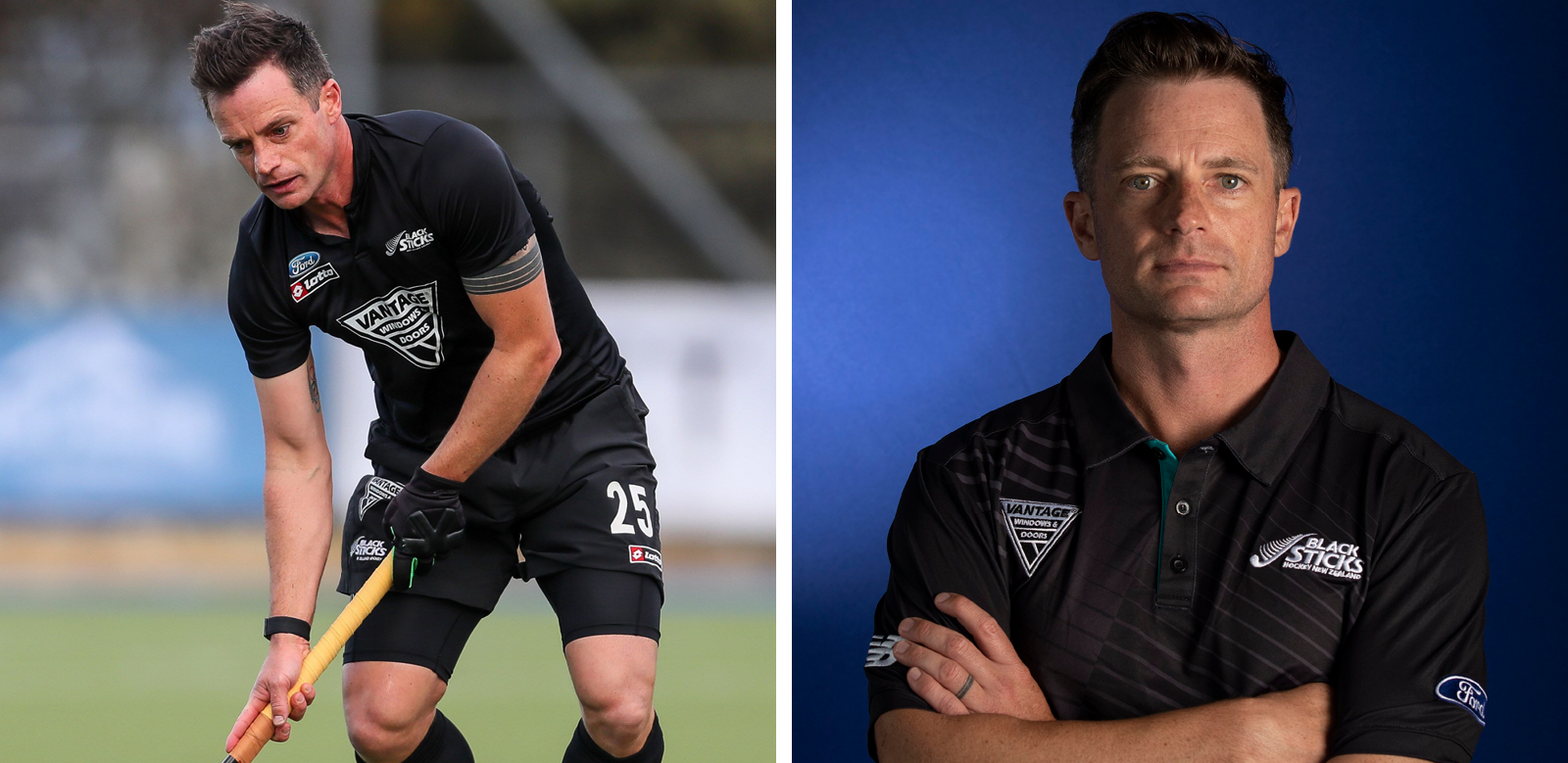
“Being an athlete at the Olympics is special, but coaching is a whole different rhythm. As a player, your day is built around training, preparing, and recovering. As a coach, your mind is constantly active, watching games, reviewing footage, meeting with players, planning sessions. You never switch off.”
Outside of international hockey, Shea also built a passion project that’s taken on a life of its own: Inside Hockey.
“It started before short-form video really took off. Just a few videos here and there. Now we’ve got over 120,000 followers on Instagram, and about 65,000 on Facebook.”
Inside Hockey offers drills, skills content, player camps and online coaching resources aimed at helping players and coaches develop.
“When you upskill a coach, you upskill a player. A coach can take an athlete with raw talent and help them unlock another level.”
Shea’s personal coaching philosophy is built around one word: TIME — which stands for Team, Individual, Mana and Empathy.
“For me, it’s about being available to your athletes. Whether that’s through a phone call, a coffee, or just a conversation, they need to know you’re in their corner. When someone opens up to you about something they’re struggling with — whether it’s on or off the pitch — that’s trust. And it means a lot.”
Q&A with Shea
Why did you get into coaching?
To give back to the sport I love.
Who inspires you as a coach?
Craig Philpott is my core coaching mentor, he challenges me daily to improve. Chris Kerekere helps guide me around culture and personal growth. Greg Nicol has been a huge influence in the New Zealand setup, and I also lean on Colin Bach. All of them push me to keep growing.
What’s the biggest thing you’ve learned as a coach?
To shift from “I” to “we.” As a former player, you have to stop referring to your own playing days. If you talk too much about yourself, you lose people. It’s about the team now what we’re doing, where we’re heading.
What are you most proud of?
The time I give to my athletes. Coaching is about connection. It’s not just training sessions or matches, it’s the quiet moments, the chats that build trust. That’s what I value most.
What’s been your toughest challenge as a coach?
The Paris Olympics. We had a tough lead-up, COVID hit 15 of our squad before our first three games, then injuries piled up. In our final match against Ireland, we had just 15 players available including our backup goalkeeper in the outfield. It tested everything, but it taught me a lot.
How do you want to be remembered as a coach?
Someone who genuinely cared for my players. Someone consistent — win or lose — and someone who really knew the game. That balance is important. It builds trust, and that’s how players buy into you.