Simon Kent
Simon Kent
- Coach Profile
Coaching wasn’t on Simon Kent’s radar when he first travelled halfway around the world, but it became a passion that he’s embraced wholeheartedly for the last two decades.
Born in Hastings, on the south coast of England, Kent attended boarding school from the age of 11, and when he reached 18, he thought that a career in the Royal Marines was what life held in store for him.
But a gap year in Temuka opened his eyes to what overseas adventures were out there, and despite returning to England for three years to study a sports science and English degree at St Mary’s University in Twickenham, it wasn’t long before he was back in the southern hemisphere – and this time, he was here to stay.
Kent’s first stop was in Sydney. He vividly recalls landing in the city on the middle Friday of the 2000 Olympics and realising how special sport is at bringing people together.
He’d always loved sport, and like so many, would loved to have played at the highest level. But after playing cricket and rugby in his new home, there was the realisation that he wasn’t going to be good enough.
He joined Bankstown cricket club and could barely get a game for the fourth-grade team. He played third-grade rugby for West Harbour and during one game, saw his captain badly fracture and dislocate his ankle. Kent had just started working as a personal trainer and it dawned on him that if that happened to him, he wouldn’t be able to work. Now in his early 20’s, if he couldn’t play sport, how could he be involved?
With the 2002 Commonwealth Games in Manchester having just finished, weightlifting was becoming a success story for Australia; they’d won a total of 26 medals in that sport at those games, including eight gold medals. With the 2006 games due to take place in Melbourne, it was a sport on the rise, and as luck would have it, Kent was living in the suburb of Burwood, where one of the oldest weightlifting clubs in Australia was based.
“I walked into that gym in November 2002 because I thought I wanted to teach people how to get stronger and faster for the footy codes,” Kent says.
“It just completely opened my eyes to a different world. I’d come out of a university degree where you said you can’t train muscle groups on consecutive days because you need recovery, and every day’s leg day in weightlifting. So, it just challenged all my mental models. I did it for a little bit, wasn’t very good at it, but it sort of sowed the seed for coaching,” he says.
But even with the sport going well in Australia, there were no pathways for weightlifting coaches and was very much a volunteer sport, with very little funding. The goal for Kent was that by learning more about weightlifting, he could can get a job with a rugby union or rugby league team. He did some work with St George Illawara, Penrith Panthers in league and the New South Wales Waratahs in union before his break came – and it would take him back to New Zealand.
“I was offered a role to go to Auckland to be the strength and conditioning coach for the NPC rugby team,” Kent says.
“I was applying for roles, which I had no right to be applying for. Head of strength and conditioning, head trainer roles and I guess I got lucky that there was a guy called Mike Wallace. He’s now at the Southport School on the Gold Coast, and Wally was the academy manager for Auckland Rugby. He was a pretty sharp operator. He thought a little bit differently and saw in me a guy who could teach the Olympic lifts. Mike saw that as a skill set that would maybe add something a little bit different to the programme in Auckland rugby at the time.”
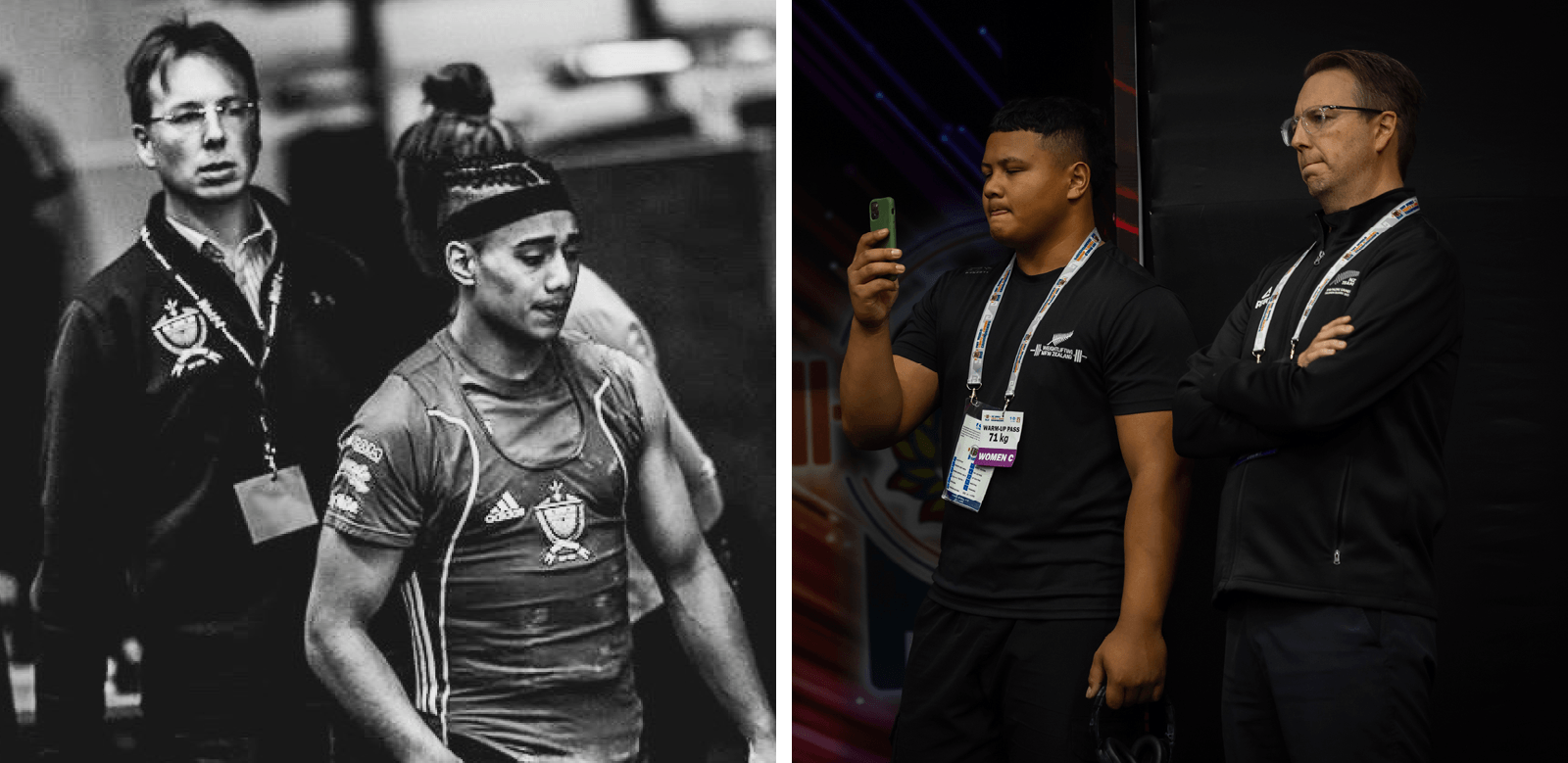
Kent arrived in Auckland in June 2007, a month out from the start of the campaign and was straight into it.
“2007 was next level. We didn’t lose a game. We took the Ranfurly Shield off Canterbury and then we beat Wellington in the final,”
“I would reflect back and think, ‘why was this one team so good?’ and that’s what got me fascinated around team dynamics. I would keep coming back to the culture piece.”
2010 was Kent’s last season with Auckland Rugby and soon after, he moved to Papatoetoe, where he would work along Geoff Moon and Gary Peach at a different level of rugby.
“They’re all they’re South Auckland hard and we said, let’s coach this Papatoetoe club team that was getting hammered the year before and it was just the most magical journey. We went from that first training session having about 20 kids turn up, and before we knew it there was 125 people turning up because word got around.”
“What it taught me was the power of community. Geoff was just an expert at bringing people together. They all felt part of it.”
At the same time, the new Papatoetoe Sports Centre was being completed and for Kent, who had watched Samoa take home three weightlifting gold medals at the 2010 Commonwealth Games, it was clear that weightlifting was failing to reach the communities in South Auckland that had the greatest potential to be successful in the sport.
Back then, the centre of weightlifting in Auckland was at Gillies Avenue in Epsom and the Millennium Institute on the North Shore would become the home of high-performance training.
For Kent, it was vital to set up a club in South Auckland and make it accessible to the area’s young people, so that they could thrive.
“Papatoetoe was my lab, if you like, for everything I was doing, and so the gym, to this day, is hugely governed around clear values and clear principles,” Kent says.
“When I first set up the club, I needed to prove I was a good coach and then slowly, I realised success is far more than medals. In the first few years, the gym was all boys, not by design, and we went on a bit of a journey together and that slowly became our competitive advantage, mixing and understanding who we are as a collective.”
“Ultimately, I talk about growing resilient athletes and character. If you’re growing the person first, all the other stuff comes with it and that’s been an absolute north star as we move forward, and then I’ve been super passionate about the region as well. It’s about South Auckland for me. That’s where it starts. Let’s demonstrate and show that you can be based in South Auckland, and we’ve got what we need to thrive and do it our way.”
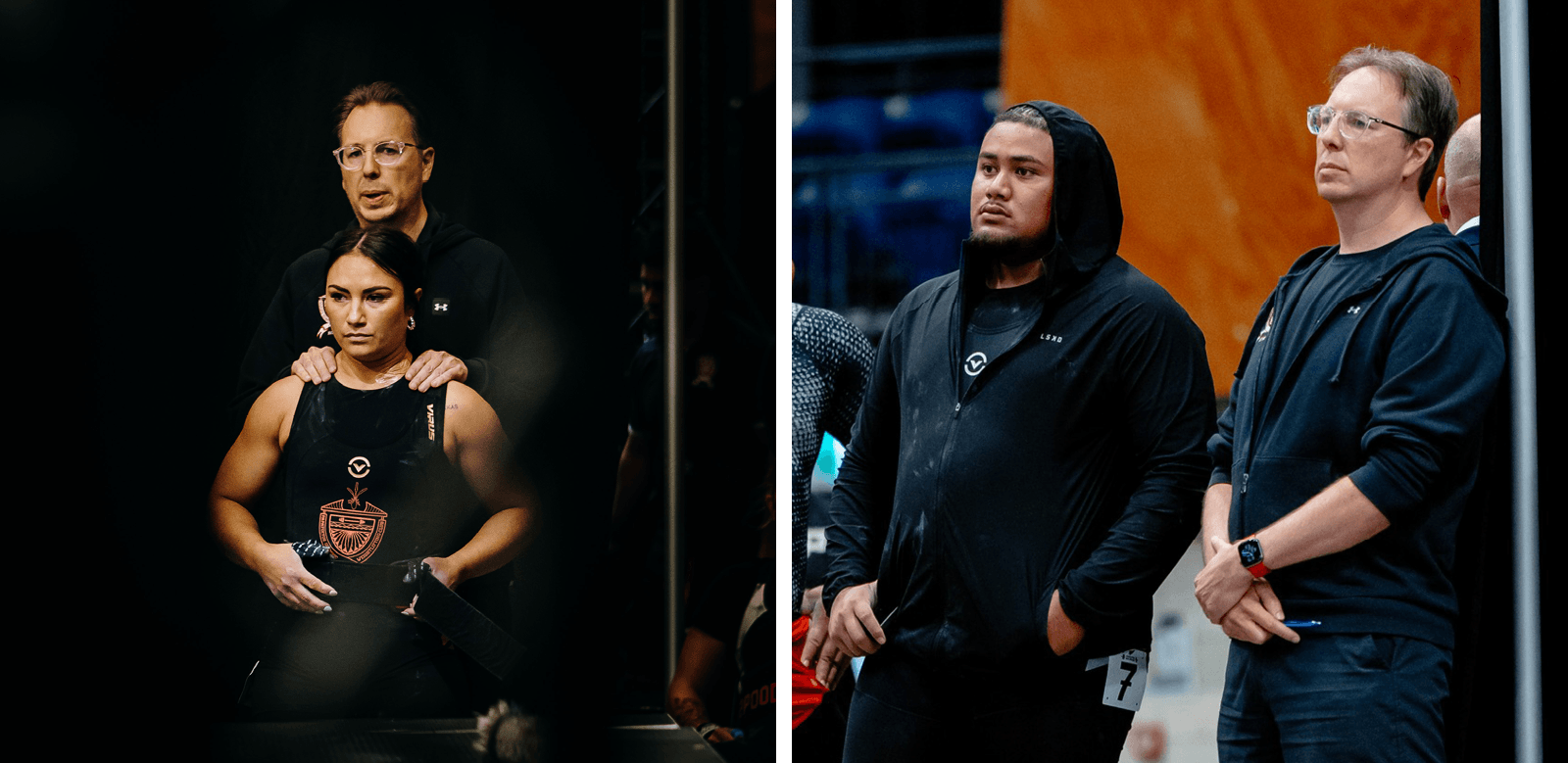
In 2017, Kent started his own company, “Navigate Performance” which delivers bespoke leadership programmes, developed to provide a fully structured approach to the nurturing and growth of individuals.
“It’s about equipping people with the tools of how to be able to lead yourself, to be able to lead at school, and then, when going out into the big wide world, giving them the tools and the skills to be able to really get ahead. A big part of it is telling them In South Auckland, we’re not an area that needs to be fixed. We just need to be enabled.”
“So, giving individuals the confidence and the belief, that just because you come from a different background or a different culture doesn’t mean you can’t get out there, and not just in the sports world, but in the business world too.”
Kent has been the President of Weightlifting New Zealand since 2021. He feels that weightlifting is on the verge of a breakthrough like canoe racing has experienced since Lisa Carrington emerged, but it needs investment to help make that a reality.
“New Zealand weightlifting has never won an Olympic medal. The best is a fifth-place finish, so if we could if we could do something special in LA or Brisbane, then maybe we can convince the purse string holders that actually we’re a sport that could return multiple medals. It’s individual in terms of investment and we don’t need millions, but one million would be game changing and then athletes could be full time.”
“We had a real strategic change of direction about 2023, which was, let’s start getting our young athletes to junior worlds, giving them that exposure. We started winning medals at that level and then started to show some green shoots last year’s senior world championships. Olivia Selemaia finished eighth, and Litia Nacagilevu finished ninth.”
Kent is very conscious of the value that coaches add, but also the struggles that they go through.
“Coaching is such a lonely place to be. We put all this support around athletes and rightly so, but we’ve just got a long way to go in in learning how we manage and look after our coaches.
“The coach is the designer of the daily training environment and that’s where you can avoid so many of these issues if that daily and training environment is where it needs to be, which is educating athletes that high-performing sport is tough, and that’s okay.”
“We’ve got to keep pushing coaching, because it’s getting lost a bit and it’s such a crucial aspect of sport at all levels, not just high-performance sport.”
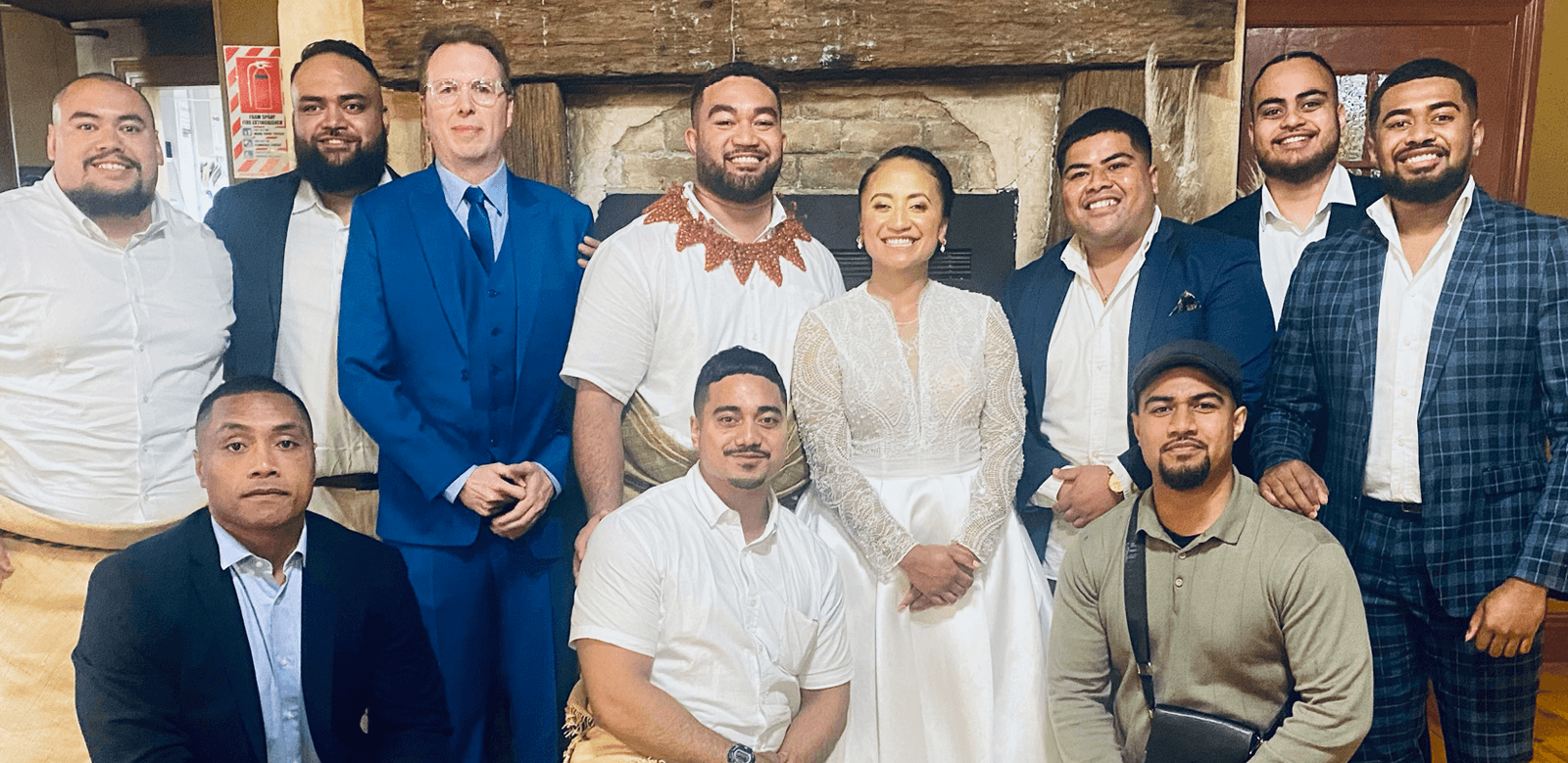
Coaches Kōrero Quick Fire
Why did you get into coaching?
In the first instance, it was because I wasn’t going to make it as an athlete myself. But then, as it’s gone on, it’s that service. It’s about seeing people grow and flourish.
Who inspired/inspires you as a coach and why?
There’s been a few people along the way. Dr. Ralph Pim was a big influence, and Craig Lewis. They’ve been mentors and good friends. I’d single out those two, and there’s been others along the way, but those two really helped me understand the craft of coaching and developing a real passion for it.
What has been your biggest learning as a coach?
You never know everything. You’re just always learning. As a young coach, you think you’ve got it all sorted because you know the x’s and o’s, but it’s people. It’s always about people. It just happens to be weightlifting. But whether it’s rugby, or any sport, first and foremost, you coach the person, and then every person is different, so there’s no cookie cutter model that you can take to it. That’s why the great ones, the Wayne Smith’s of the world and whatnot, they understood that, that’s how they get the best out of their athletes.
What are you most proud of as a coach?
I think it would be probably what we’ve created at Papatoetoe. It’s an environment where people feel safe, they feel seen, they can become the best versions of themselves, and trying then to do that, with whatever team or organisation that I’m lucky enough, privileged enough to be involved with, that’s always the first thing. How do you make people feel comfortable, feel seen, feel heard? Because that’s when we know they perform at their best.
What is the biggest challenge you have had as a coach?
There’s always challenges, there’s always frustrations. I don’t know that there’s one single biggest challenge. It’s easy to say we need more money, we need more of this or that, but that’s not the answer. The answer is always just find a way. There’s always challenges, that’s life, right? So you’ve just got to lean into that and find ways to overcome it.
How do you want to be remembered as a coach?
That I had a positive impact. That I left the space in a little bit better shape than I found it and that the individuals that I interact with, not just in a sports context, but they can take what they learn through sport into other areas of their life. If I can help shape, influence, give a little bit to people as they’re going through their journey, then that’d be pretty cool.