Sonia Waddell
Sonia Waddell
- Coach Profile
For many athletes, a lifetime in sport naturally evolves into coaching. For athletics coach Sonia Waddell, that journey began when her eldest daughter Sophie started high school and joined the athletics team.
When the school’s sprint coach needed support with hurdle technique, she called on Waddell — a former World Junior representative in the 400m hurdles.
“I ended up staying in the St Peter’s athletics programme while the teacher was on maternity leave and I guess never really left,” Waddell says with a laugh.
What began as a helping hand soon developed into a coaching role that would see Waddell spend more than a decade helping grow one of New Zealand’s largest secondary school athletics programmes.
Drawing on an international sporting career that saw her represent New Zealand in athletics, rowing and cycling, alongside a science degree that provided a foundation in sports science, Waddell entered coaching with a unique blend of lived experience and technical knowledge.
Athletics has always remained her first love, despite being best known for her achievements in rowing. Waddell represented New Zealand in the single scull at the Sydney 2000 Olympic Games, finishing sixth, before returning as a mother four years later to place fifth at the Athens Olympics.
Sport was woven into the fabric of Waddell’s childhood. Summer Tuesday nights were spent at Te Whare Matangi Athletics Club alongside her brother Hayden and sister Amanda, while weekends often revolved around ribbon days and Colgate Games.
“Mum used to cart us all over the place,” Waddell recalls.
Growing up in a sporting household, ambition was never in short supply. While her father Alistair represented New Zealand as an All Black flanker, it was Olympic great Sir Peter Snell who captured her imagination.
“From about the age of 10, I wanted to go to the Olympics and win a gold medal for New Zealand just like Peter Snell.”
Those early experiences sparked a sporting journey that would ultimately span three New Zealand teams, multiple high-performance environments and two Olympic Games. Looking back, Waddell believes those experiences provided valuable lessons for her coaching career.
“From my own career representing New Zealand I was exposed to different coaches, training programmes and environments. Early on, I relied heavily on those experiences when I started coaching.”
Over time, however, she realised her greatest teachers were often the athletes standing in front of her.
“Teenagers are great teachers. You have to find a way to connect with them for them to grow as athletes and as people.”
For Waddell, the art of coaching lies in combining technical expertise with genuine human connection. Understanding the science is important, but knowing how to apply it to the individual athlete is what drives both performance and development.
The best coaches she encountered throughout her sporting career were those who could blend evidence-based practice with a deep understanding of the person they were coaching.
“I feel that’s one of my strengths as a coach. Whether it’s being a mum or working in the equine industry, you learn to observe and understand what’s happening without necessarily being told. With horses, they can’t talk to you. You have to be intuitive. Coaching isn’t that different.”
Raised on Brookdale Stud Farm in Taranaki, Waddell now runs the family business Riverdale Farm, providing horse agistment services. While the environments may appear worlds apart, she sees clear parallels between coaching athletes and working with horses.
“Both require trust, communication and understanding the individual in front of you.”
That philosophy helped shape the culture she built at St Peter’s. When Waddell joined the programme there were just 11 athletes involved. By the end of 2025, when she stepped away from her voluntary role, participation had grown to more than 160 students, including around 100 athletes in the competitive squad.
“I’m really proud of what we built and the team of coaches who contributed to it. It’s not just the results. It’s the enjoyment and the opportunities the athletes experienced along the way.”
One of the measures Waddell values most is the programme’s retention.
“Most of the athletes stayed involved regardless of their ability level. That’s really impactful for me.”
Exposure to a range of high-performance environments taught Waddell as much about what she wanted to replicate as a coach as what she wanted to avoid.
“Those experiences helped shape the environment I wanted to create.”
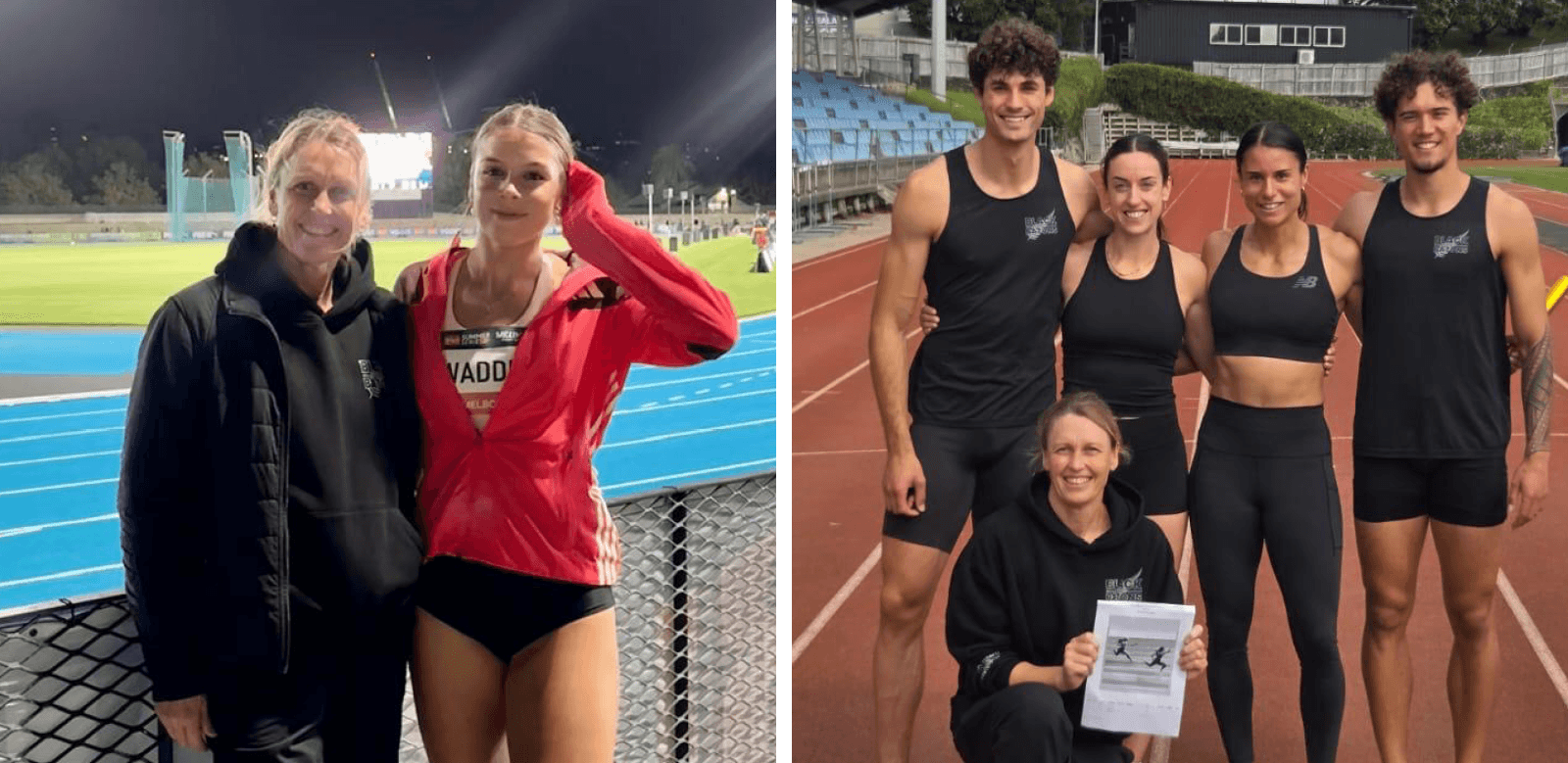
Among the athletes she coaches is her youngest daughter Madeleine, a two-time national senior champion in the 400 metres while still a junior and one of New Zealand’s most promising young athletes.
“It’s an absolute privilege to coach Maddie, but it’s also a balance because the roles of coach and parent need to remain quite distinct. I feel like we’ve navigated that journey well.”
“No one is ever going to have your child’s best interests at heart more than you.”
Now preparing to head to Duke University after contesting the World Athletics U20 Championships in Oregon later this year, Madeleine will experience a new coaching environment for the first time.
“She’s never known anything different, so it will be a huge learning experience for both of us.”
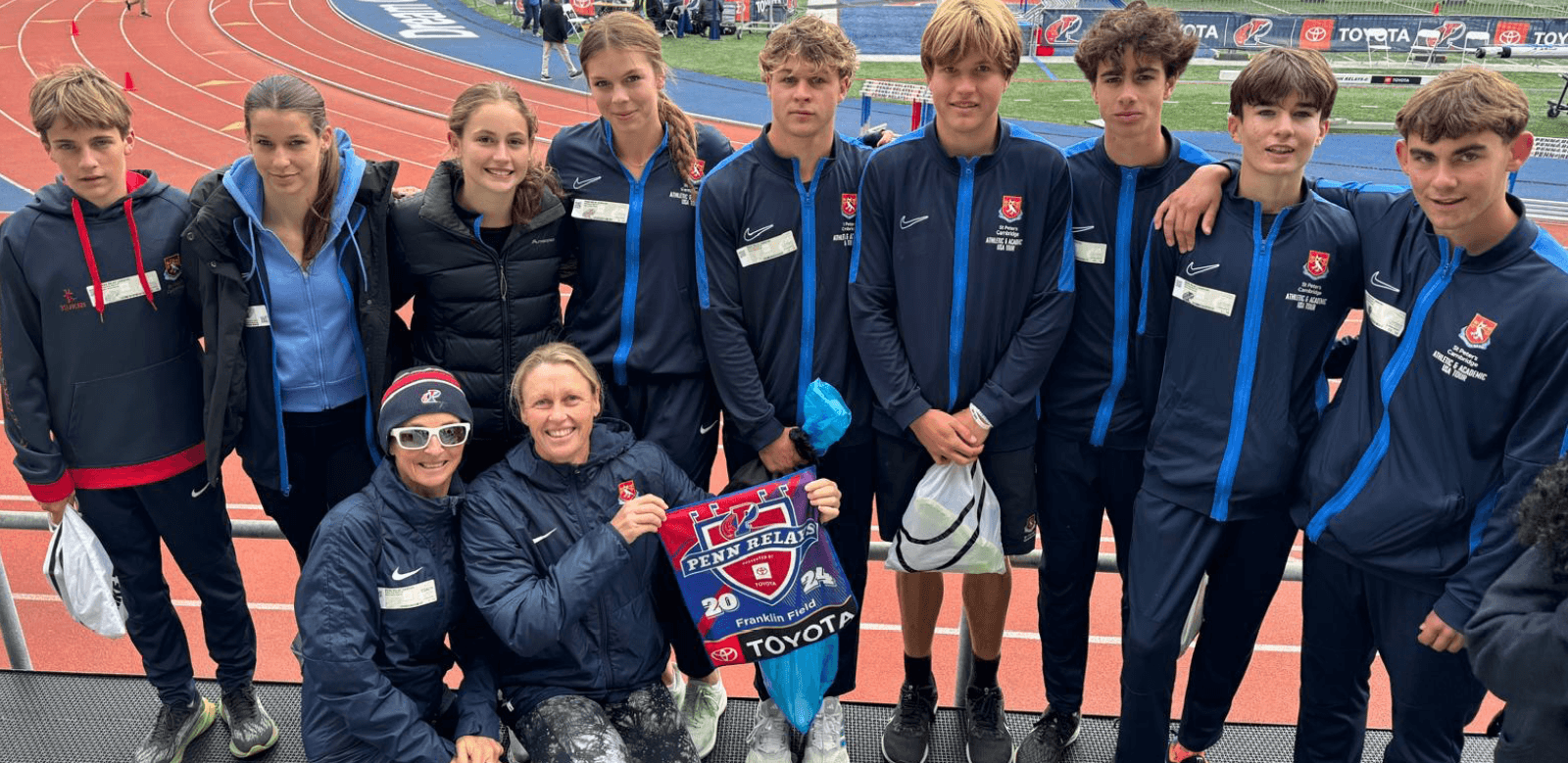
Another project Waddell is particularly proud of is her involvement with New Zealand’s relay programme, the Black Batons. Alongside Nuree Greenhalgh, she has helped drive the development of sprint relay opportunities in New Zealand, creating pathways many athletes previously only dreamed about.
Their efforts were rewarded when New Zealand qualified a mixed 4x100m relay team for the World Relays, where they finished 16th overall.
“When I watched our mixed 4x100m relay team compete at the World Relays, the first New Zealand relay team ever to do so, that was incredibly satisfying.”
The quartet of Tiaan Whelpton, Brooke Somerfield, Lex Revell-Lewis and Zoe Hobbs earned qualification with a 41.30-second performance at Mt Smart Stadium.
“I’m proud that we had the courage to try and create change in this space and build a pathway to major championships.”
Despite her extensive coaching commitments, Waddell says there is little she finds challenging about coaching itself.
“The only challenge is not having enough hours in the day to do all the things I’d like to do.”
She credits many people for supporting her development, including High Performance Sport New Zealand Coach Consultant Craig Palmer and Te Hāpaitanga Lead Jodi Cameron.
“They’ve encouraged my curiosity and challenged me to keep growing as a coach.”
As a female coach, Waddell says she has not experienced significant barriers within athletics but valued the opportunity Te Hāpaitanga provided to learn alongside other women coaches.
“I was really grateful to be part of that environment. Ultimately, I think we all want to be judged on our coaching ability, not whether we’re female or male.”
A key component of Te Hāpaitanga is the Lead the Way horse leadership programme. Despite a lifetime working with horses, Waddell found the experience offered a fresh perspective on leadership and coaching.
“A really cool thing was I could still get so many learnings out of it. It made me think about my leadership style. Am I clear and concise in the way I lead? What message am I actually putting across to the animal?”
The experience reinforced an important lesson: leadership is not simply about what you intend to communicate, but what others experience.
Throughout her coaching journey, Waddell has discovered two enduring passions — a love of learning and a desire to help people realise their potential.
Whether it is a Year 9 athlete successfully running three strides between hurdles for the first time or a national relay team making history on the world stage, the sense of fulfilment remains remarkably similar.
“It really is a privilege to be involved in people’s journeys and help them get better at whatever they’re trying to do.”
After decades in high-performance sport as both an athlete and coach, that belief remains at the heart of Waddell’s philosophy — helping people become the very best version of themselves.