November 2025 Issue No. 27
Koutou ngā matanga nō te ao hākinakina, tēnā koutou,
Welcome to the November 2025 edition ofCoaches Kōrero.
Coaches Kōrero was established to create a forum to connect, support and celebrate our Performance Coaching Community in New Zealand.
In this issue we profile two special coaches in Judo coach Jason Koster and Squash coachEmma Millar.
As you will have seen, we recently made a public statement in support of coaches on the back of some recent high profile challenges our coaches have experienced. In this month’s issue we have re-shared advice provided by our legal advisers Tavendales on how to best deal with these type of situations.
If you are going through a challenging time with your NSO or RSO, please don’t hesitate to contact us and we can provide the necessary introductions to great counsel.
In addition, our partners Penberthy have provided an article around future proofing your retirement in an uncertain world. If you would like an introduction to a member of their team, please connect with Andrew Gaze at [email protected] or on 021 443 523
On the membership front, we continue to grow our membership. We now have 101 members. If you are not a member we would love to hear from you.
To join, please click here to complete the membership form.
Ngā mihi,
Tom Willmott
Chair

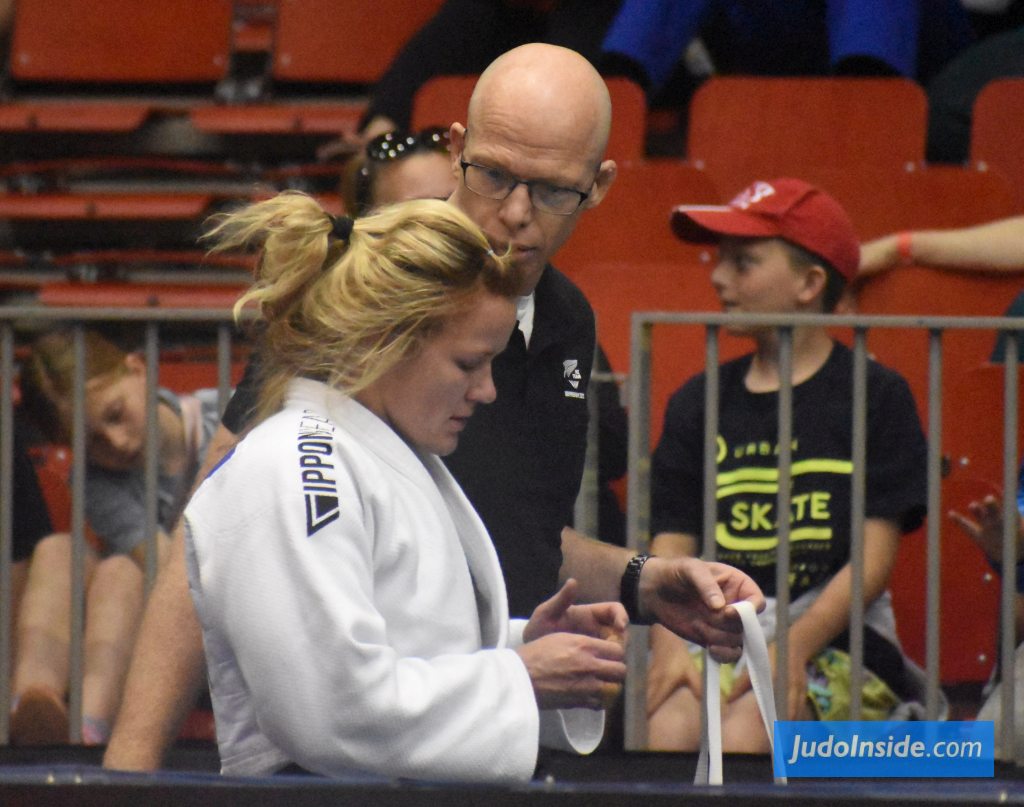
Jason Koster
Jason Koster was the classic Kiwi kid when he was growing up in Christchurch.
He played multiple sports, but when his brother took up judo, nine-year old Jason was reluctant to join him on the mat – until his father Rob stepped in.
“Dad said, ‘if I get on, will you get on?’” and so started a journey in the sport that’s lasted over thirty years and counting.
Around the same time, Koster was glued to the 1992 Summer Olympics in Barcelona. The iconic sight of the Olympic flame cauldron being lit by a flaming arrow, shot by Paralympic archer Antonio Rebollo, is one that inspired Koster to set a goal – he wanted to go to the Olympics one day.
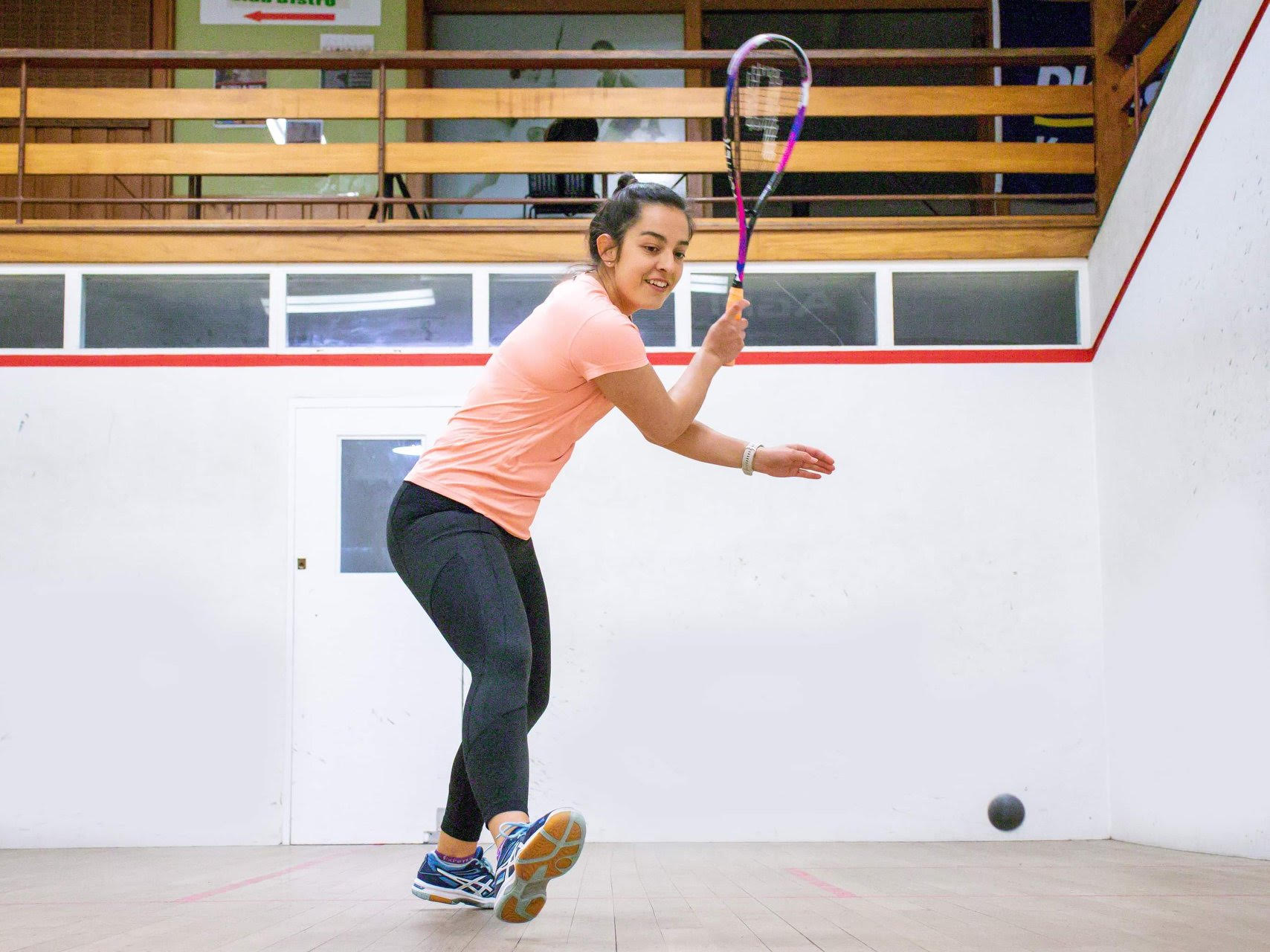
Emma Millar
One morning, Emma Millar will be coaching Commonwealth Games gold medallist Joelle King. In the afternoon, she’ll run Racket Rascals, a programme for two to four-year olds. When the evening hits, she might be teaching an adult how to hold a squash racket for the very first time, or a teenager who’s aiming to represent New Zealand.
It’s the love of the sport, and the love of coaching that keeps Millar, a former top player herself, so active in all areas of the coaching space.
Growing up in Paraparaumu, Millar’s dad played squash and was active in the local club, so her and her brother grew up around a squash court, and started playing young.
Future proofing your retirement in an uncertain world.
For those of you with kids at school or in need of the healthcare system, October’s strikes really bought bare the struggles of New Zealand’s fiscal position. We simply can’t afford to increase the pay of our nurses and teachers in line with inflation.


When the Spotlight Turns Our Way
High Stakes, High Standards: Disciplinary Leadership in NZ Sport
Sport holds a central place in our national identity and public scrutiny of high-performance environments is intense. The way coaches manage disciplinary issues is as much about leadership as it is about compliance. At the elite level, disciplinary matters intersect with legal, contractual, and cultural expectations. For a high-performance coach, then, this means your approach must be principled, strategic, and grounded in process.